Bitaxe: specs, power and solo odds
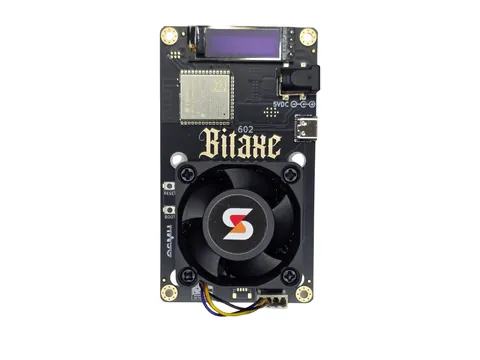
The Bitaxe is an open-source Bitcoin miner: one small board, one or more Bitmain ASIC chips, a fan, and the AxeOS web panel. The designs are published by bitaxeorg on GitHub, so anyone may build and sell them, which is why the same board turns up at many shops. The Gamma has one BM1370 chip and runs on 5 V; the GammaTurbo doubles the chips and needs a 12 V supply.
Mining solo at today's difficulty, one Bitaxe Gamma would expect to find a Bitcoin block about once every 17,000 years: a 1 in 6,100,000 chance on any given day.
At the census reading of 2026-11-08 08:07 UTC, the 17,362 Bitaxes connected to Public Pool averaged 1.07 TH/s each — counted every hour in the Solo Mining Census.
Every Bitaxe in the catalog
| Model | Hashrate | Power | J/TH (lower is better) | Source |
|---|---|---|---|---|
Bitaxe Supra HexTinyChipHub (open source) · BM1368 | 4 TH/s (as listed) | 75 Was listed | 18.8 (calc.) | |
Bitaxe AvaBitaxe (open source) · A3197 | about 1.76 TH/s (4 × 440 GH/s per ASIC, calc.) | not published | not published | |
Bitaxe ProtoBitaxe (open source) · MC3 | about 2.7 TH/s (4 × 675 GH/s per ASIC, calc.) | not published | not published | |
Bitaxe Gammaboards 601 / 602 / 603 · Bitaxe (open source) · 1 × BM1370 BitcoinMerch ↗ In stock Power Mining ↗ In stock | 1.07 TH/s at stock firmware; ~1.2 TH/s (designers' README) | 19 W (601), 22 W (602, 603)firmware self-test target; input: 5 V only | 17.7–20.5 (calc., at stock) | |
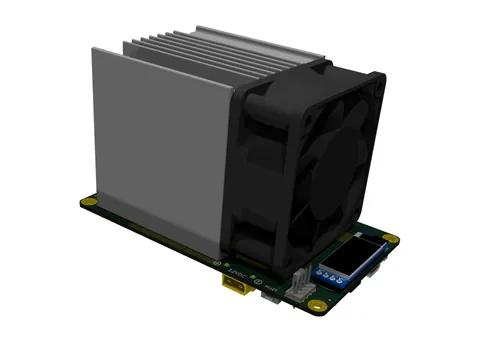
Bitaxe GammaTurboboard 801 · Bitaxe (open source) · 2 × BM1370 BitcoinMerch ↗ In stock | 2.14 TH/s at stock firmware | 36 Wfirmware self-test target; input: 12 V | 16.8 (calc.) | |
Bitaxe Ultraboards 201–207 · Bitaxe (open source) · 1 × BM1366 BitcoinMerch ↗ In stock | 0.434 TH/s at stock firmware | 12 Wfirmware self-test target; input: 5 V only | 27.7 (calc.) | |
Bitaxe Supraboards 401–403 · Bitaxe (open source) · 1 × BM1368 BitcoinMerch ↗ In stock | 0.625 TH/s at stock firmware | 12 W (board 401)firmware self-test target; input: 5 V only | 19.2 (calc.) | |
Bitaxe NajaDuoboard 1201, untested prototype · Bitaxe (open source) · 2 × BM1373 BitcoinMerch ↗ In stock | 4.40 TH/s at stock firmware | 50 Wfirmware self-test target; input: 12 V | 11.4 (calc.) | |
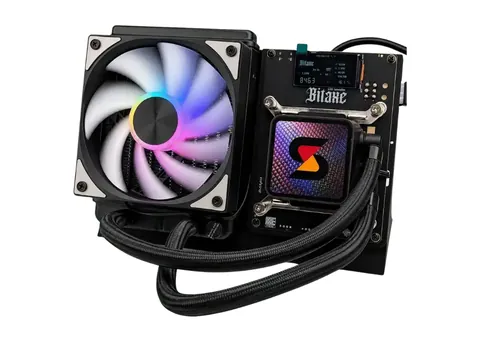
Bitaxe GammaHexboard 1300 · Bitaxe (open source) · 6 × BM1370Specs only, no retailer yet | 8.45 TH/s at stock firmware | 140 Wfirmware self-test target; input: 12 V | 16.6 (calc.) | |
Bitaxe GammaDuoboard 650 · Bitaxe (open source) · 2 × BM1370 BitcoinMerch ↗ In stock | 1.63 TH/s at stock firmware | 35 Wfirmware self-test target; input: 5 V | 21.4 (calc.) | |
Bitaxe UltraHexboards 302 / 303, unfinished design · Bitaxe (open source) · 6 × BM1366 BitcoinMerch ↗ In stock | 2.6–3 TH/s | ~50 Wdesigner's figure; input: 12 V | ~17–22 (calc.) | |
Bitaxe Maxboard 102 · Bitaxe (open source) · 1 × BM1397Specs only, no retailer yet | 0.286 TH/s at stock firmware; over 0.4 TH/s (designers' README) | 12 Wfirmware self-test target; input: 5 V | 42.0 (calc.) |
J/TH is joules per terahash: the electricity each unit of work costs, so lower is better. (calc.) means power divided by hashrate, worked out by us because the maker does not print it. Makers usually allow about ±5% on hashrate and ±5–10% on power. The Source column links the page each figure comes from.
Power, odds and the wait
Chance of a block in any one year: 1 in 5,000 · open in the calculator
Chance of a block in any one year: 1 in 11,000 · open in the calculator
Chance of a block in any one year: 1 in 7,500 · open in the calculator
Chance of a block in any one year: 1 in 17,000 · open in the calculator
Chance of a block in any one year: 1 in 9,400 · open in the calculator
Chance of a block in any one year: 1 in 47,000 · open in the calculator
Chance of a block in any one year: 1 in 32,000 · open in the calculator
Chance of a block in any one year: 1 in 4,600 · open in the calculator
Chance of a block in any one year: 1 in 2,400 · open in the calculator
Chance of a block in any one year: 1 in 12,000 · open in the calculator
Chance of a block in any one year: 1 in 7,800 · open in the calculator
Chance of a block in any one year: 1 in 71,000 · open in the calculator
Computed at the live network difficulty of 148.36T with the same formula as the odds calculator: mean wait = difficulty × 232 ÷ hashrate. Power bars are to scale with the other machines shown; wait bars use a log scale, so very different waits fit side by side.
A mean wait is not a countdown. Each hash is a fresh, independent draw, so a miner can find a block on its first day or run far longer than its mean wait and find nothing. More hashrate shortens the average; nothing guarantees a block, a payback or any income.
About the Bitaxe
The designs have moved quickly. The first boards, the Bitaxe Max and the Ultra, appeared in 2023; the Supra followed in 2024 and the Gamma, with Bitmain's BM1370 chip, in January 2025. Since then the designers have put more chips on one board, the GammaTurbo among them. The table above lists every Bitaxe in our catalog with its checked figures, and the ones people search for most have a page of their own.
What makes a Bitaxe a good solo machine is not its odds, which are long, but how little it asks. A Gamma draws around 20 W, about as much as a desk lamp, so it costs little to leave running, and its web panel shows every share it finds and the best one so far. That is why there are so many of them: the Solo Mining Census counts the Bitaxes connected to Public Pool every hour, and the latest count is at the top of this page.
Each of those boards is the same kind of lottery ticket, and the draw is real: Bitaxes have found full Bitcoin blocks on public solo pools, listed below from our Solo Block Record and verified on the chain. Most Bitaxes never will, which is what the odds at the top of this page say in numbers.
Firmware
Every Bitaxe runs AxeOS, the open-source firmware from the same project (its code is ESP-Miner). From AxeOS v2.15.0, released on 21 August 2026, SoloLuck is in the firmware's built-in pool list alongside Public Pool, OCEAN and Braiins, so choosing it takes a tap rather than a typed address. Older firmware connects just the same with the address typed in.
Solo blocks found with a Bitaxe
- Block 957,382 · 10 Jul 2026 · Public Pool · Bitaxe Gamma — 995 GH/s (~1 TH/s) palm-size open-source miner, ~$150
- Block 889,975 · 29 Mar 2025 · Solo CKPool · Bitaxe Gamma — 1.2 TH/s (reported)
- Block 883,181 · 10 Feb 2025 · untagged coinbase · a single 480 GH/s Bitaxe
From Solo Legends, the Solo Block Record: every block verified on the chain and linked to the source that reported it.
Power and cooling
- Match the supply to the board. The Gamma runs on 5 V only; the GammaTurbo needs 12 V. A wrong or undersized supply is the commonest cause of a board that resets under load.
- The power figures are firmware targets. The designers publish no rated draw; the numbers here are what the official firmware expects at its default settings.
- Overclocking costs watts and heat. A few percent more hashrate is a few percent more chances, not a different game. The setup guide has the temperatures to watch.
- Give it air. The stock heatsink and fan are sized for stock clocks on an open desk, not inside a drawer.
Where to buy
- Visit BitcoinMerch ↗ (opens in a new tab)BitcoinMerchShips from California, USA · Bitaxe, NerdQAxe, AvalonBitaxe, NerdQaxe++, NerdOCTaxe, Avalon Nano 3S and Avalon Q; 120-day warranty.Referral link · SoloLuck may earn a commission
- Visit Power Mining ↗ (opens in a new tab)Power MiningShips from Latvia, EU · Bitaxe, NerdQAxe, AvalonBitaxe Gamma, NerdQaxe++ and Avalon Nano 3S; 90-day warranty.Referral link · SoloLuck may earn a commission
SoloLuck doesn't sell mining hardware directly. Some retailer links may earn us a commission on qualifying purchases. These referrals do not affect mining fees, block rewards, mining odds, or our independent hardware recommendations.
Prices, stock and shipping are the shop's, and change; we do not publish them. Links open the shop through /go/shop/…, which counts the click and nothing about you (see Privacy).
Set it up on SoloLuck
- How to set up a Bitaxe for solo mining
- Start mining: the SoloLuck setup wizard
- Solo mining odds calculator
- Is solo mining worth it?
- Risk disclosure: what expected time really means
Other hardware: NerdQAxe · Avalon · NerdMiner · Lucky Miner
How this page is paid for
The mining pool is free. Hardware referrals help support SoloLuck. The pool's fee is 0%, a found block pays the finder in full, and referral links have been on these pages since October 2026.
Links marked Referral link may earn SoloLuck a commission if you buy; links marked Plain link earn nothing. No shop can buy a spec, a place in a table, different odds or a better word from us. Specs come from the makers' and designers' own pages, linked next to each figure. How shops can work with us: Partners.
Quick answers
Can a Bitaxe Gamma find a Bitcoin block?
Yes: every hash is a fresh draw. At today's difficulty one Bitaxe Gamma would expect a block about once every 17,000 years, a 1 in 6,100,000 chance on any given day, and most never find one.
Is the Bitaxe open source?
Yes. The hardware designs and the AxeOS firmware are published by bitaxeorg on GitHub, so anyone may build and sell them, which is why the same board turns up at many shops.
How do I point a Bitaxe at SoloLuck?
In AxeOS, open the pool settings and pick SoloLuck from the built-in list (AxeOS v2.15.0 and later), or type stratum.sololuck.io with port 3333. Set the username to your own Bitcoin address. There is no fee and no account.